

University of Toronto Computer Science
University of Toronto
The University of Toronto is Canada's flagship hub for computer science research, the strongest fit for students aiming at graduate study or a research career, in Canada or internationally.
Canada's flagship computer science research hub
The University of Toronto is Canada's flagship academic hub for computer science research. It's ranked #1 in Canada and consistently near the top worldwide for research output and impact. UofT CS is the place to be for students who want to pursue graduate studies in computer science — especially those targeting international institutions for a master's or PhD.
UofT's CS research landscape is bolstered by its proximity to the Vector Institute, and to the many research hospitals in downtown Toronto that collaborate with the university to fund and produce life-saving research at the intersection of computer science and biology.
Students interested in graduate studies or research careers benefit from learning alongside faculty who are shaping these fields at an international level, while also gaining access to one of the world's largest ecosystems of AI researchers through the University of Toronto, the Vector Institute, and Toronto's broader research community.
What does UofT CS look for in applicants?
UofT CS looks for four specific skills, demonstrated through its supplementary application:
- Setting and working towards a goal
- Contributing to a group
- Adjusting to change, or overcoming challenges or barriers
- Working with those different from you
The biggest difference between UofT and UWaterloo is that UofT is explicitly agnostic to CS vs. non-CS experience: participation and strong performance in programming- or math-related activities and competitions doesn't give applicants any advantage over applicants whose strengths lie in other subjects.
UofT CS and Waterloo CS are both great programs, with different research opportunities
Both programs are excellent, and prepare students well for a career in computer science-related industries. The main difference between the two universities' research efforts is direction, not quality.
Waterloo's research is generally more industry- and application-focused, with particular strength in areas like cryptography, security, distributed systems, algorithms, quantum computing, and human-computer interaction. UofT is more heavily oriented toward foundational research — artificial intelligence, machine learning, deep learning, natural language processing, computer vision, robotics, computational biology, and theoretical computer science. Rather than focusing primarily on commercializing technology or applying existing techniques to industry problems, much of UofT's research aims to develop the next generation of algorithms, models, and scientific discoveries that shape the field's future.
Application components
At the time of writing, UofT CS's application comprises four short-answer questions, not timed. Applicants choose three of the four, and respond to each with no more than 250 words.
OUAC application: marks & transcripts
JOIN U of T account setup
Supplementary application: 3 of 4 short-answer questions, 250 words each
How we coach for it
UofT CS rewards students who can talk concretely about how they've grown, led, adapted, and worked with people unlike themselves — not their contest record. We help students find real stories and tell them clearly within a tight 250-word limit.
Choosing the right three prompts
We help students pick the three of four supplementary questions that let them tell their strongest, most specific stories, rather than defaulting to whichever feel easiest to answer.
Tight, specific storytelling
At 250 words, there's no room for throat-clearing. We coach students to lead with a concrete moment and show real growth, not just describe an activity.
Research and graduate-path fit
For students eyeing graduate school or a research career, we help connect current interests to UofT's specific strengths in AI, machine learning, and foundational CS research.
UofT vs. Waterloo positioning
Many applicants aren't sure whether they want UofT's research depth or Waterloo's applied, co-op-driven track. We help students figure out which genuinely fits before they write a word.
Concurrent applications
Most UofT CS applicants also apply to Waterloo CS, Waterloo Software Engineering, and UofT Engineering Science. We coordinate the whole set so each application stays strong and consistent.
Frequently asked
Four short-answer questions, of which applicants choose three, with a limit of 250 words each. The questions focus on setting and working toward a goal, contributing to a group, adjusting to change or overcoming a challenge, and working with people different from you.
No. UofT is explicitly agnostic to CS vs. non-CS experience — strong performance in programming or math competitions doesn't give applicants an advantage over those whose strengths lie elsewhere. The supplementary application is about non-academic skills, not technical ones.
No. At the time of writing, the CS supplementary application isn't timed — students can take the time they need to write and revise within the word limit.
Both are excellent, but their research strengths point in different directions. Waterloo leans more industry- and application-focused (cryptography, security, distributed systems, quantum computing); UofT leans more foundational (AI, machine learning, theoretical computer science) — making it a particularly strong fit for students aiming at graduate school or a research career.
See our Waterloo Computer Science guideAlmost always. Most apply simultaneously to Waterloo CS, Waterloo Software Engineering, and UofT Engineering Science. We help students manage these concurrent applications so each one stays strong without repeating the same generic story.
See all engineering & CS programsYour program lead
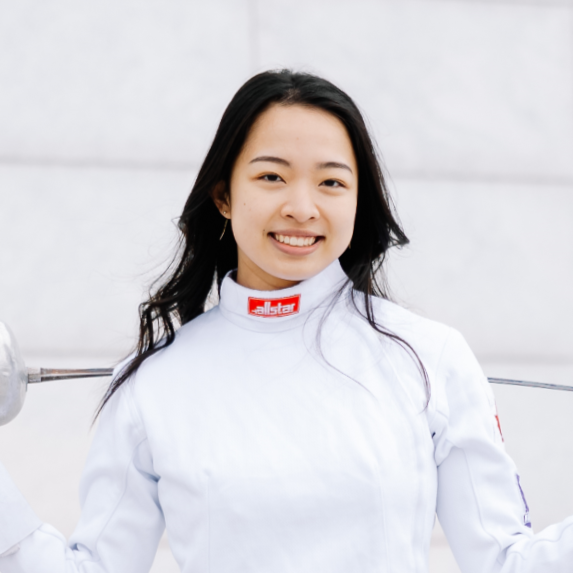
Evelyn Zheng
Lead Coach | Head of Canadian Admissions · HBA '22, Ivey Business School · Western University
University of Toronto Computer Science wants to see how you actually think and build. We focus on showing genuine technical depth without burying evaluators in jargon.Read Evelyn's biography

Ready to start your University of Toronto Computer Science application?
Speak with a coach who specializes in this program.