

University of Toronto Engineering
University of Toronto
UofT has some of Canada’s leading engineering programs. Both Core 8 and Engineering Sciences have highly competitive applications.
Core 8
Core 8 students begin their studies immediately in their specified field. The program is renowned for its specialized focus and its PEY Co-op program after third year.
Eight disciplines- Chemical
- Civil
- Electrical & Computer
- Industrial
- Materials
- Mechanical
- Mineral
Engineering Science (EngSci)
A comparatively more theoretical program for students looking for a more intense academic challenge. For their final two years, students choose one of eight accelerated, discipline-specific specializations. PEY Co-op is available, and many prestigious employers have historically hired from UofT EngSci.
Eight upper-year specializations- Aerospace
- Biomedical Systems
- Electrical & Computer
- Energy Systems
- Mathematics, Statistics & Finance
- Engineering Physics
- Machine Intelligence
- Robotics
TrackOne (Undeclared)
An undeclared first year for students who want to explore every field of engineering before committing. TrackOne students are guaranteed admission to a Core 8 program of their choice after first year. As of June 2026, admission to TrackOne is paused indefinitely.
Which program should I choose?
There is no single “best” program. We always encourage students to apply for the program that best fits their interests, rather than targeting a more “prestigious” program purely to keep options open.
Anecdotally, it is much easier to transfer from Engineering Science into a Core 8 degree than the other way around. This isn’t a matter of prestige. It reflects student fit. Engineering Science is more academically rigorous than Core 8, so students moving in must demonstrate they can bridge that gap in difficulty.
The application process
All UofT Engineering applicants must complete the Online Student Profile (OSP). Within the OSP, students rank their choices of engineering programs, self-report standardized test scores, self-report secondary school grades, and list their extracurricular activities.
Within the OSP there is a KIRA-administered “Personal Profile.” At the time of writing, the Personal Profile comprises three timed questions, each drawn from its own randomized question bank:
Written response · 300 words · 10 minutes
Students describe their personal engineering motivations and interests, and their future engineering aspirations.
Video response · 2-min prep · 2-min answer
Students describe their interest in UofT Engineering specifically, including the things about the program or university they are most looking forward to.
Video response · 2-min prep · 3-min answer
Students solve a hypothetical engineering problem that combines creative and technical elements.
What UofT is looking for
UofT looks for unique statements about engineering interest and genuine alignment with what UofT offers. In the third question, evaluators also assess engineering principles and instincts — this is the technical evaluation portion of the Personal Profile.
Application components
OUAC application: marks & transcripts
UofT engineering application
Personal profile & video essays
How we coach for it
- Decode each supplementary or application prompt and what it's really assessing.
- Build a profile and narrative that's competitive across multiple programs at once.
- Practise written and video components with structured, honest feedback.
- Keep every word authentically yours — we teach the how, you do the writing.
Your program lead
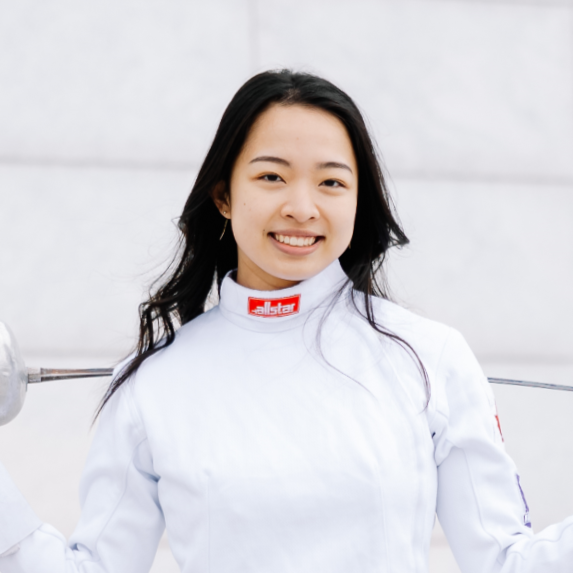
Evelyn Zheng
Lead Coach | Head of Canadian Admissions · HBA '22, Ivey Business School · Western University
University of Toronto Engineering wants to see how you actually think and build. We focus on showing genuine technical depth without burying evaluators in jargon.Read Evelyn's biography

Ready to start your University of Toronto Engineering application?
Speak with a coach who specializes in this program.